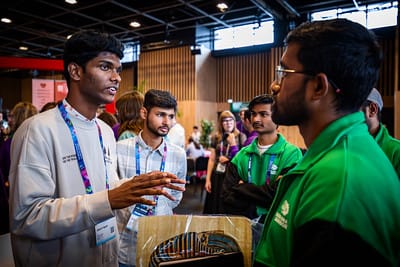
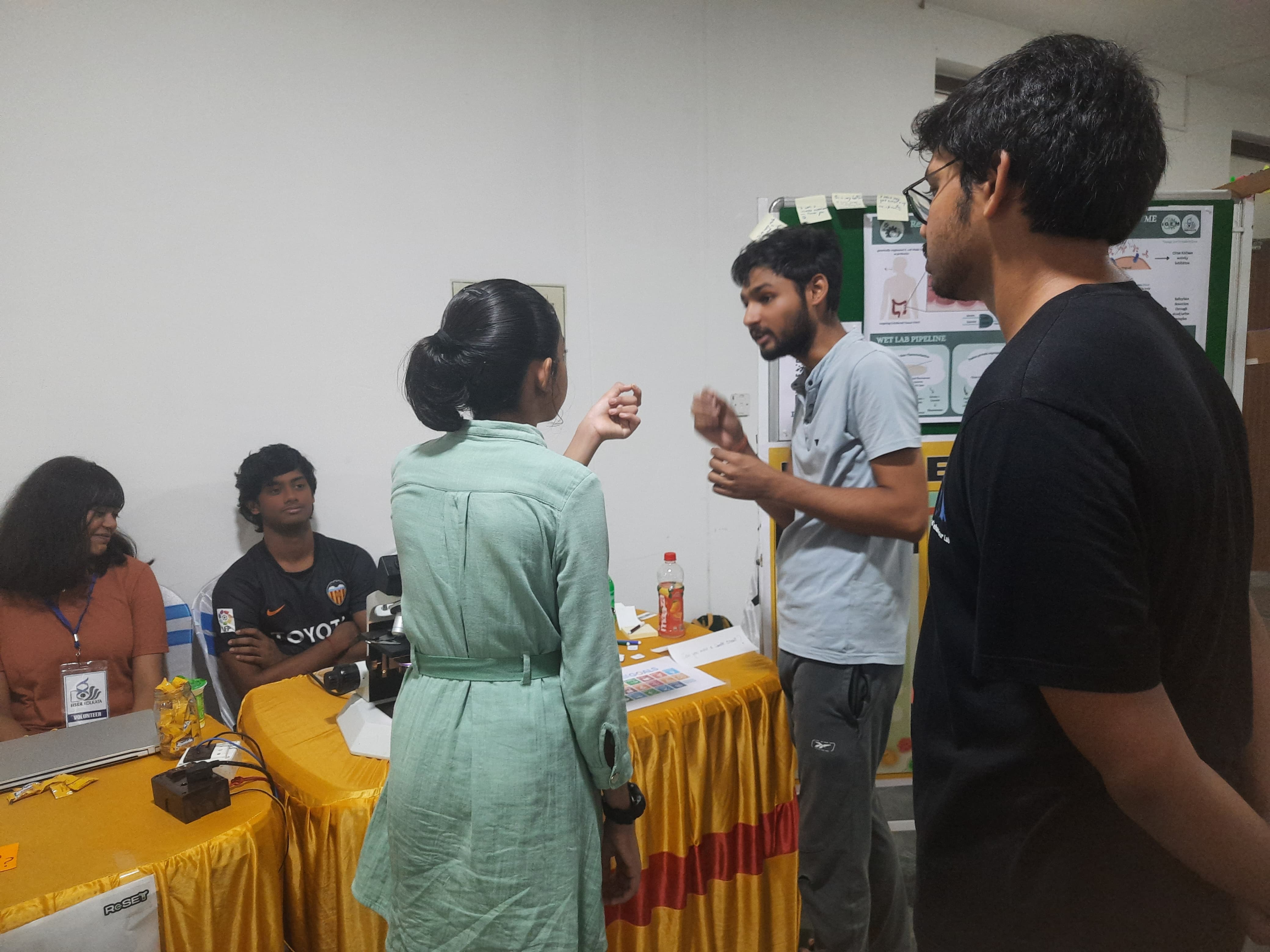
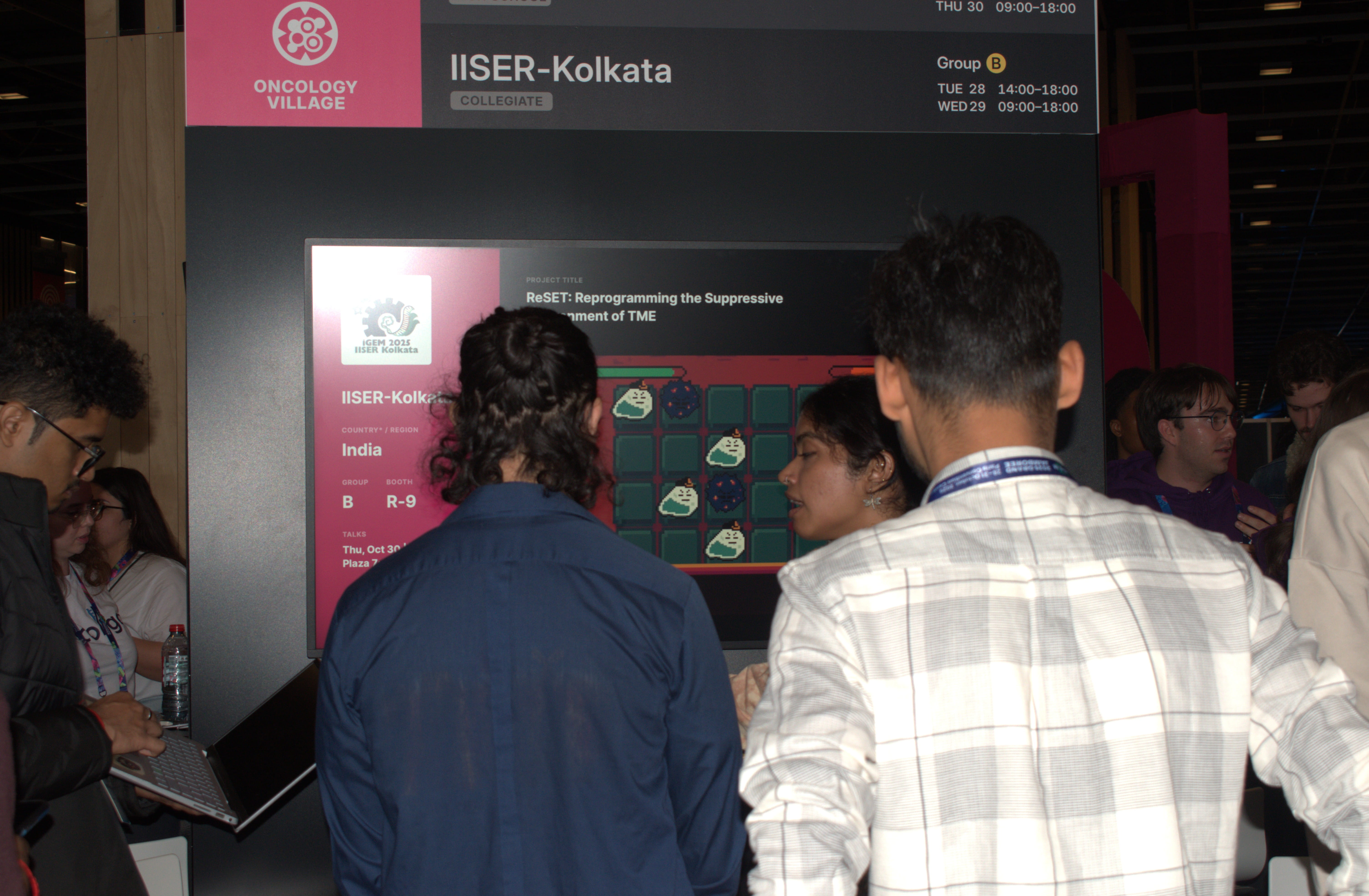
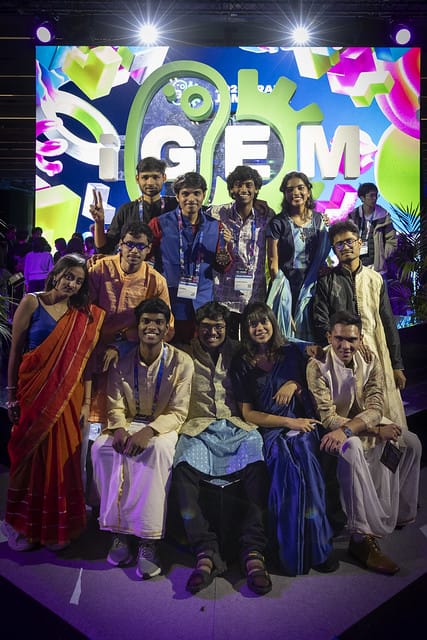
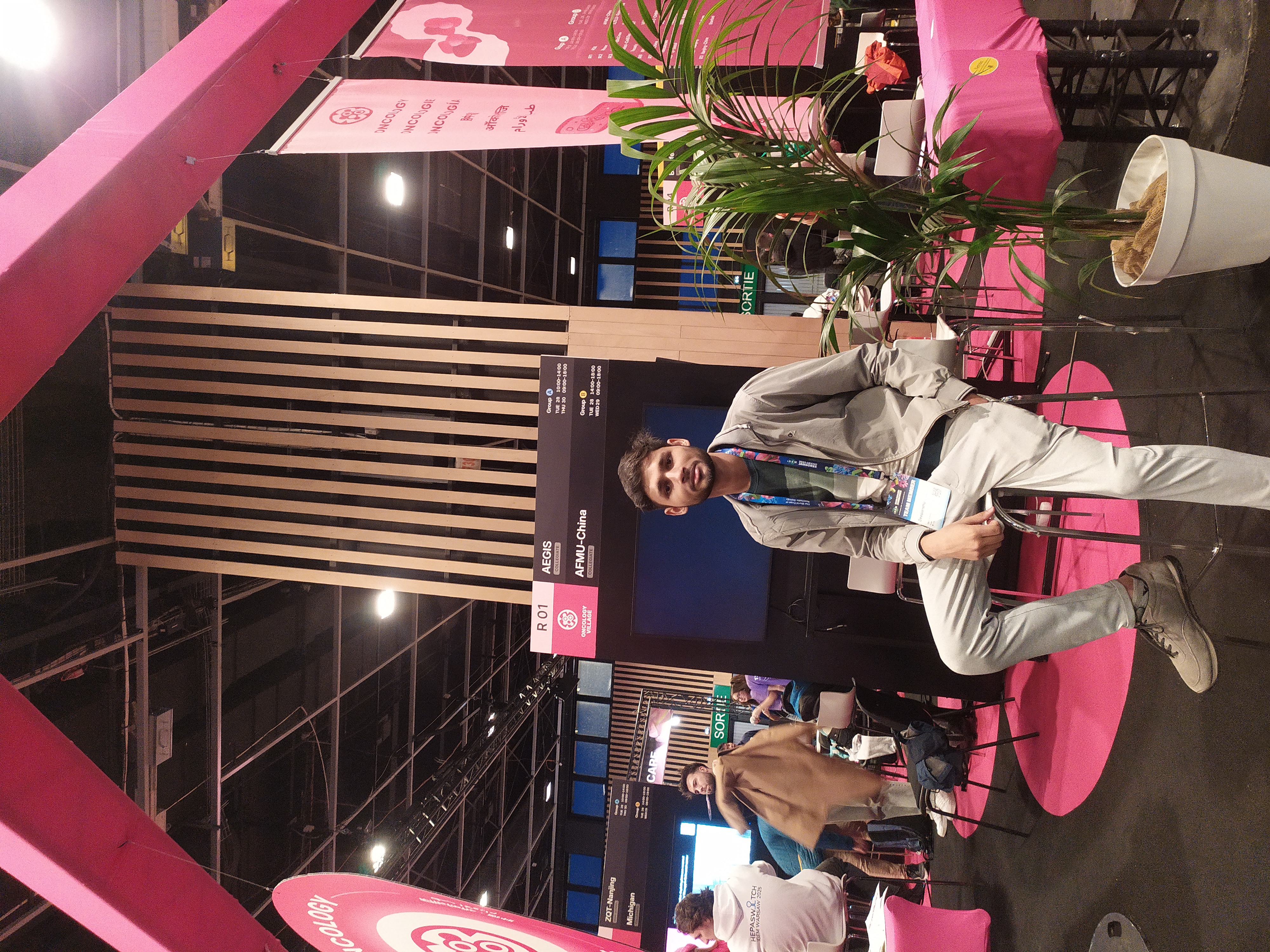
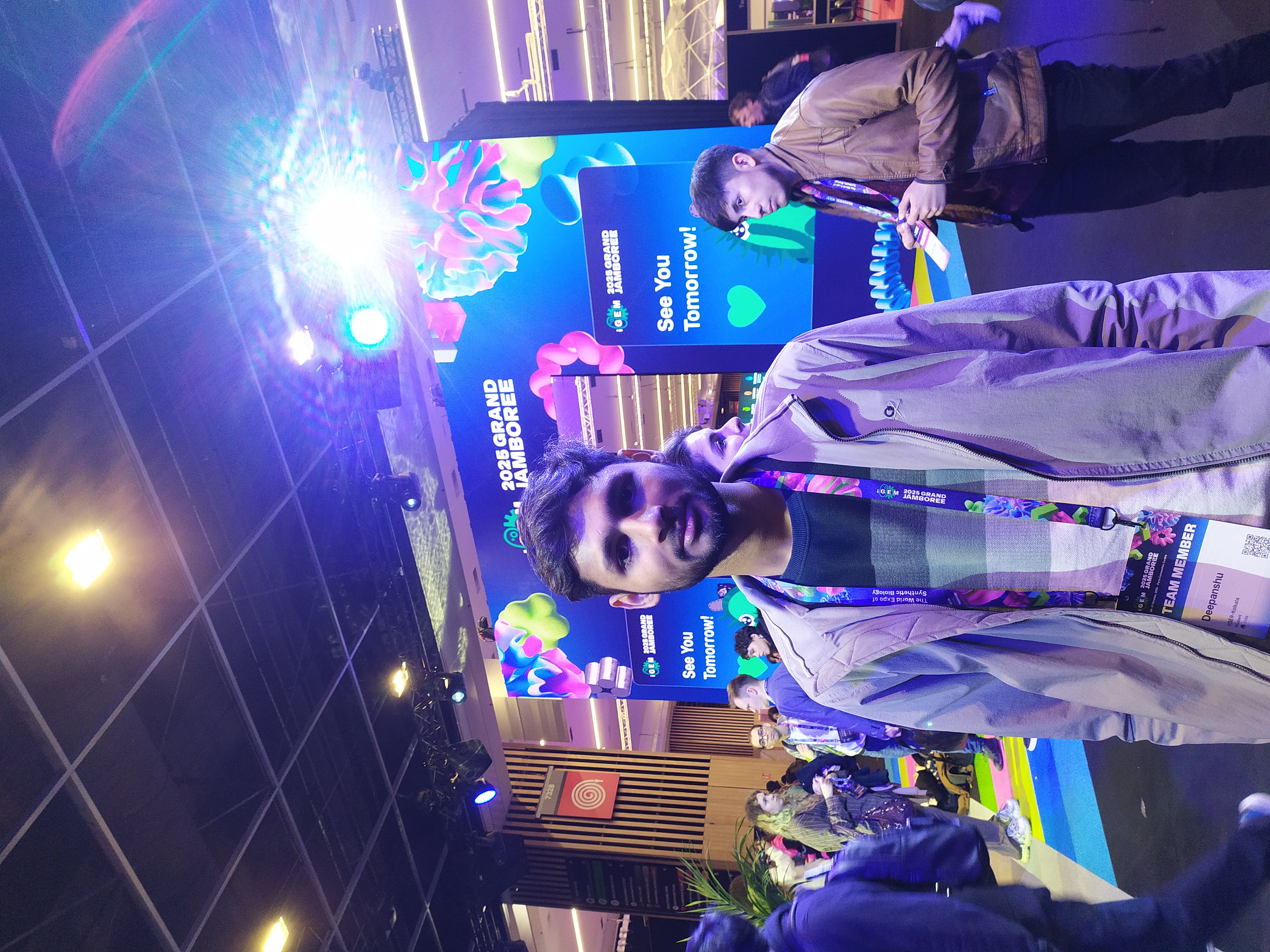
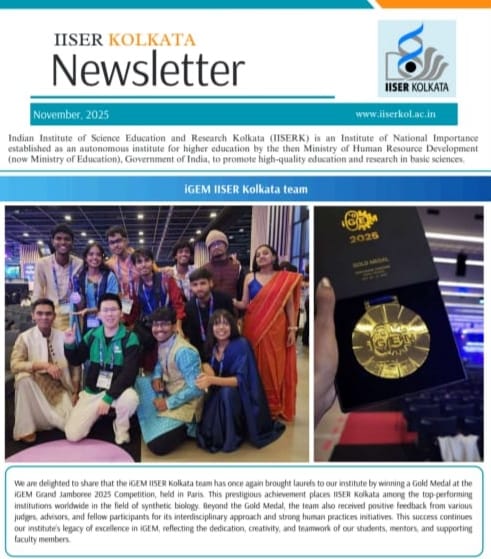
iGEM 2025 was the most immersive research experience of my undergraduate training—one that demanded sustained intellectual ownership, experimental discipline, and collective responsibility. As Wet Lab Lead for the IISER Kolkata team, I worked at the intersection of design, execution, and mentorship, helping transform an ambitious synthetic biology concept into a validated, modular system.
Our project, ReSET, was motivated by the complexity of biological environments and the limitations of single-input regulatory designs. We sought to engineer systems that respond conditionally—only when specific physiological cues coexist—thereby improving specificity, safety, and functional relevance. This required thinking beyond isolated genetic parts and toward integrated regulatory logic.
I led the design and experimental implementation of a dual-input sensing architecture that combined metabolic and oxygen-responsive regulation. Translating this logic into a biological system required iterative optimization—balancing promoter strength, regulatory compatibility, host burden, and signal fidelity. In parallel, I designed and validated an independent safety module, emphasizing controlled expression and post-translational regulation to mitigate unintended activity.
On the bench, my work spanned the complete molecular biology pipeline: primer design, PCR optimization, assembly strategy selection, cloning, transformation, and construct validation. I maintained modular plasmid designs to allow parallel testing and rapid redesign, documenting each iteration to preserve traceability. I also led protein-level validation efforts for our nanobody module, including expression optimization, affinity purification, SDS–PAGE, Western blotting, and microscopy-based confirmation of localization and expression behavior.
Equally important was my role in maintaining experimental standards across the team. I trained members in aseptic technique, cloning workflows, and data documentation, and helped establish shared protocols that allowed multiple subprojects to progress without compromising quality. I curated structured datasets covering experimental conditions, assay outputs, and imaging results, ensuring reproducibility and continuity across months of work.
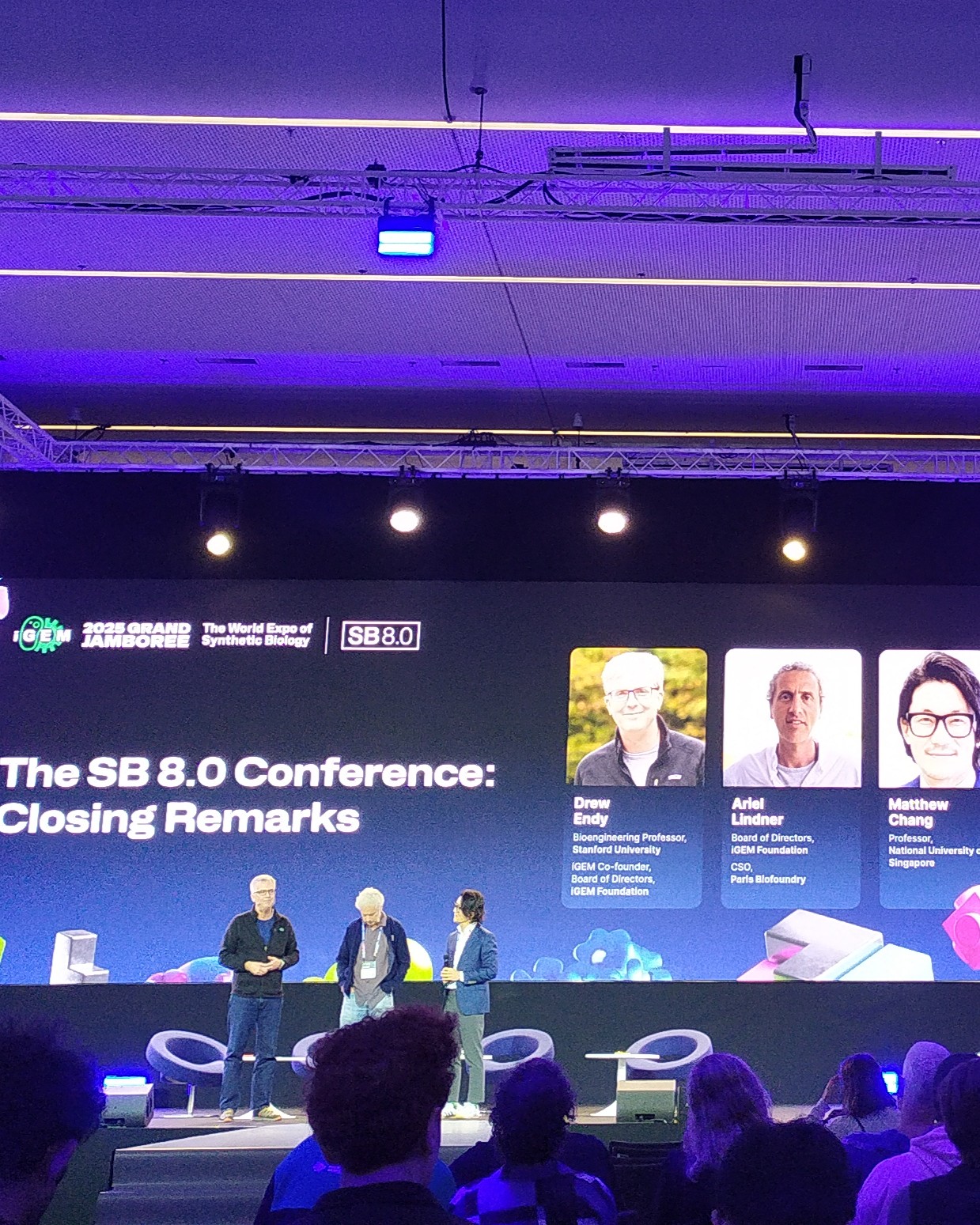
Winning a Gold Medal at the iGEM Grand Jamboree in Paris was a milestone, but the deeper impact of iGEM lay in learning how research actually unfolds—through uncertainty, iteration, and collective effort. It reinforced my interest in synthetic biology as a field that demands not only technical expertise, but also judgment, responsibility, and collaboration.
For more information / documentation, visit the IISER Kolkata iGEM 2025 wiki.