My trip to France from October 27 to November 05, 2025 was anchored by my participation in iGEM 2025 and the SynBio Conference 8.0, events that brought together students and researchers from across the world to share ideas, results, and perspectives in synthetic biology. Presenting our work, attending talks, and engaging in discussions placed my own research training within a global context—one where scientific rigor, responsibility, and collaboration extend far beyond individual laboratories.
The days spent at Paris Expo Porte de Versailles, moving between presentations and conversations, were intense and intellectually energizing. The conference environment reinforced how synthetic biology is evolving—not only through technical innovation, but through thoughtful engagement with safety, ethics, and real-world relevance. These discussions set the tone for the rest of the trip, shaping how I observed and experienced the city beyond the conference halls.
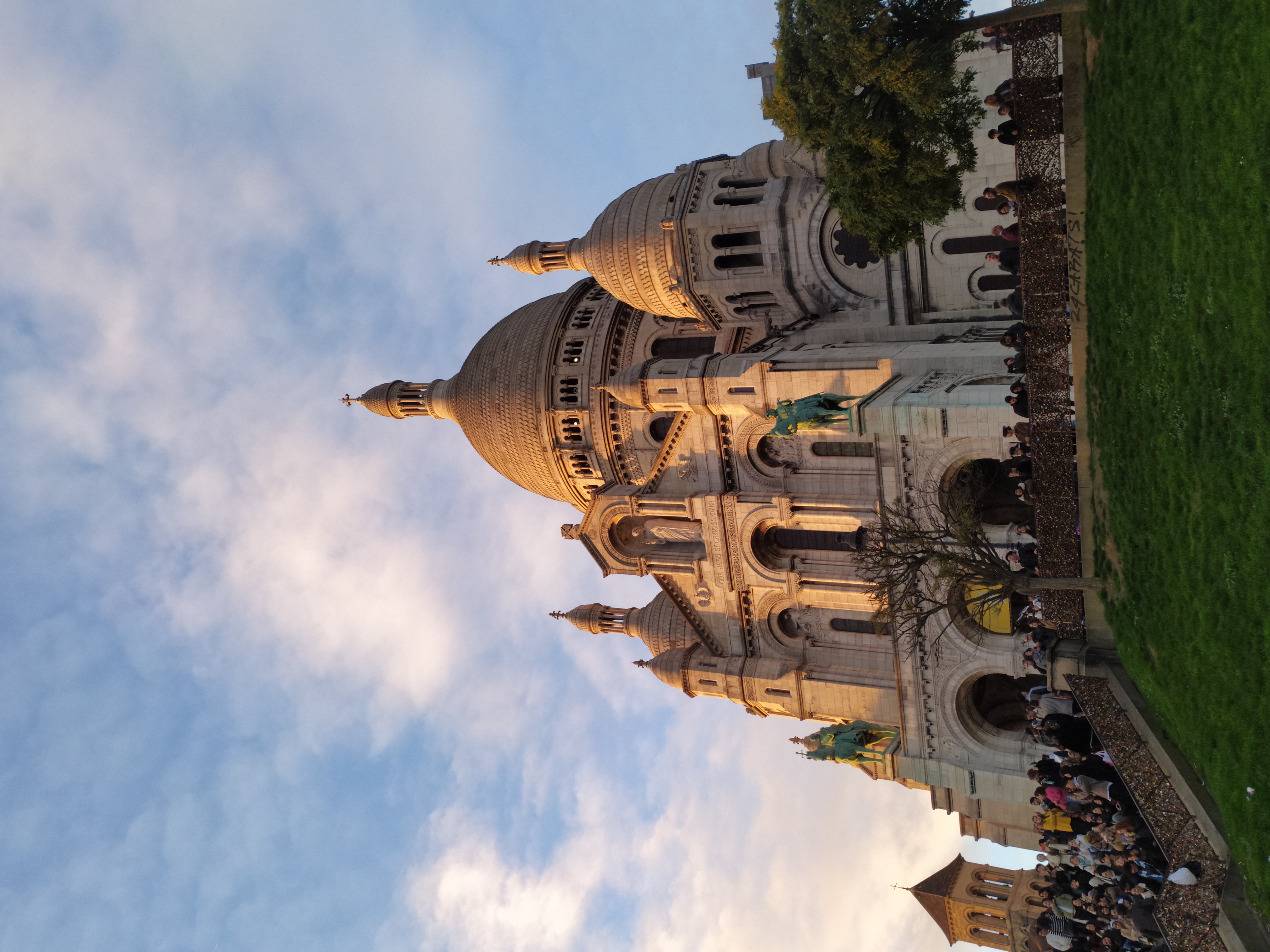
Stepping out into Paris, the city felt like a continuation of those conversations, expressed through space and history rather than slides and posters. One of my earliest impressions came from visiting the Sacré-Cœur Basilica, where the elevated view offered a wide, layered perspective of the city. Nearby, Square Louise Michel provided a quiet contrast—a place to pause, reflect, and absorb the rhythm of Paris at ground level.
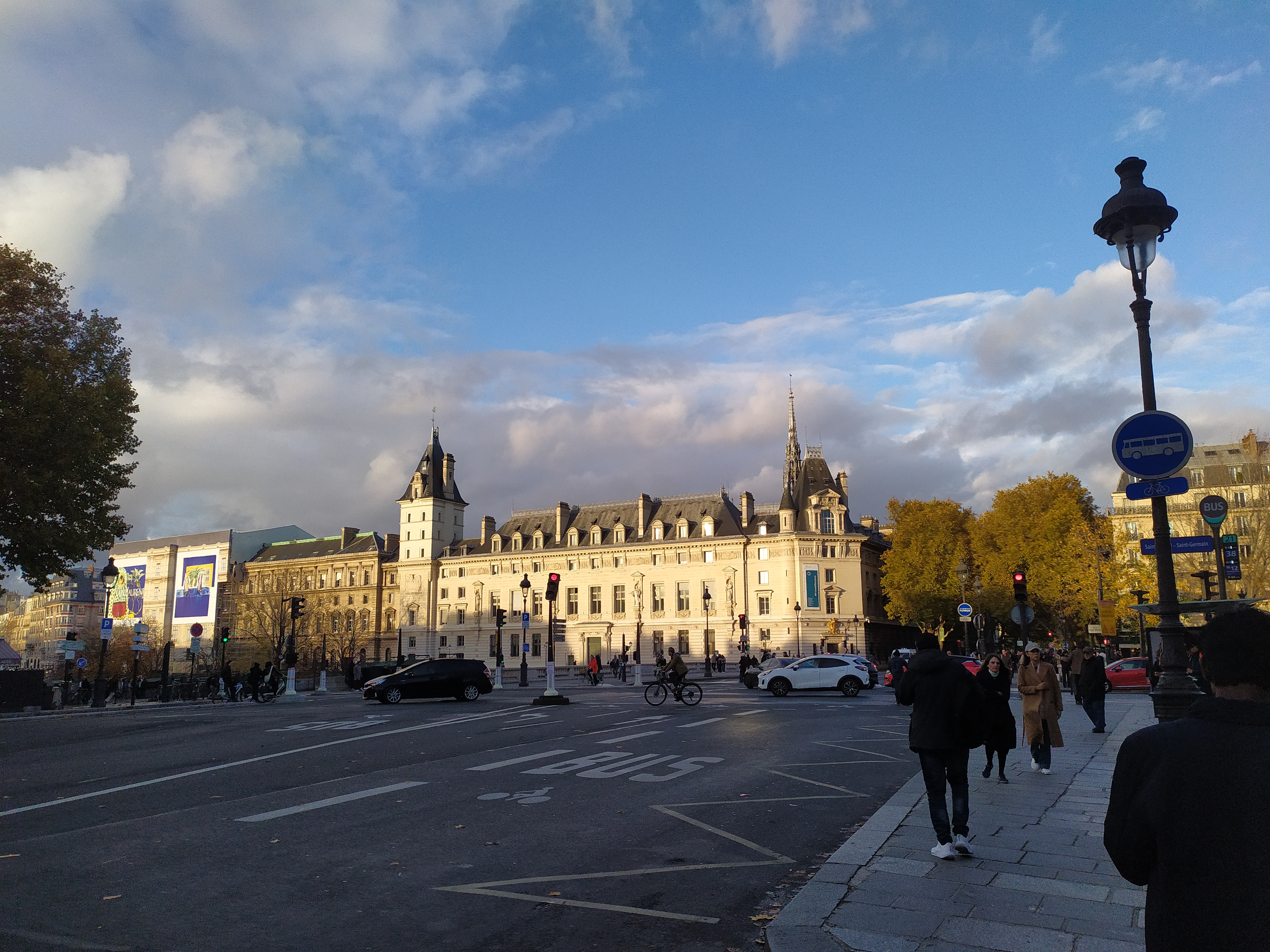
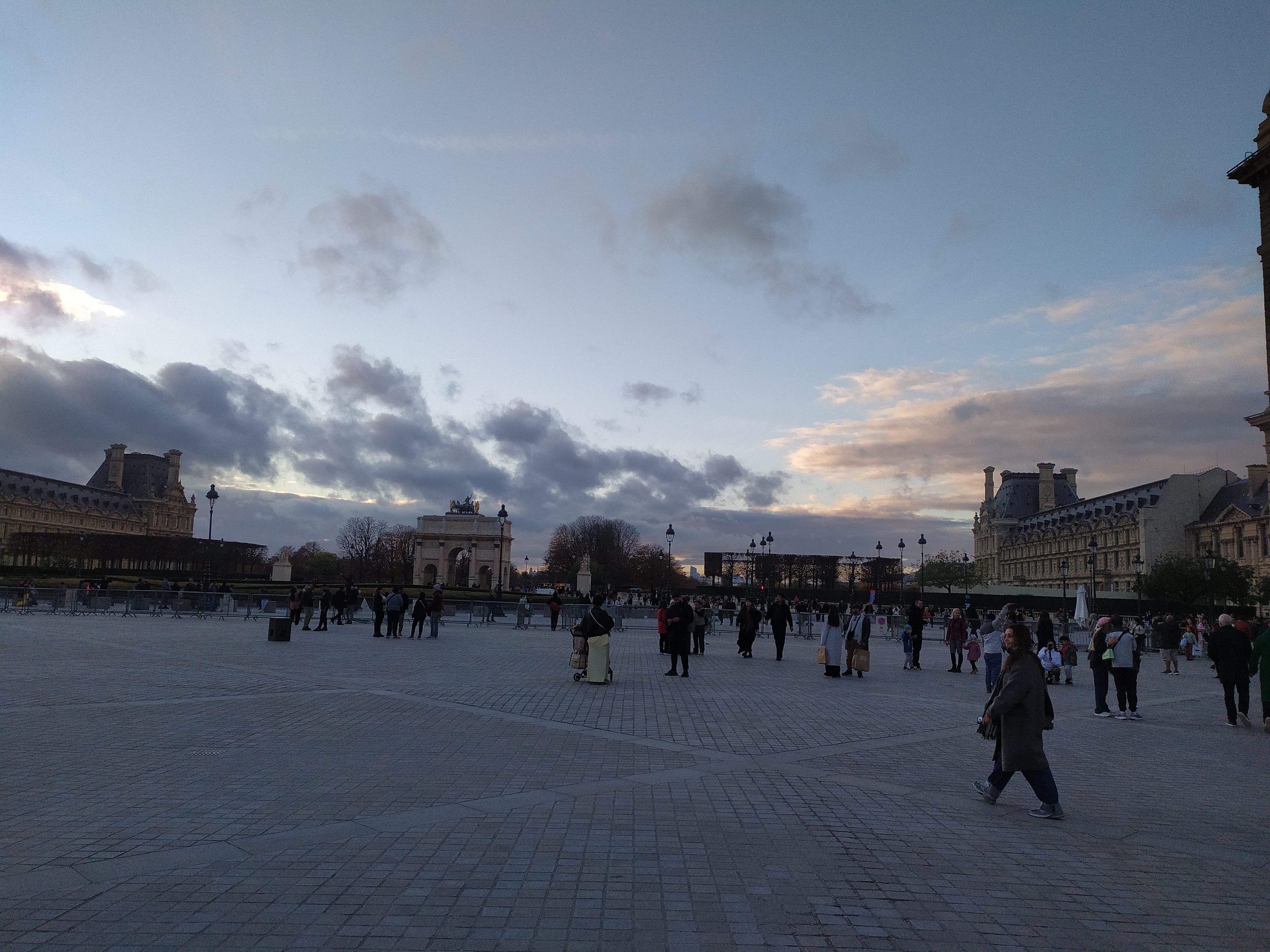
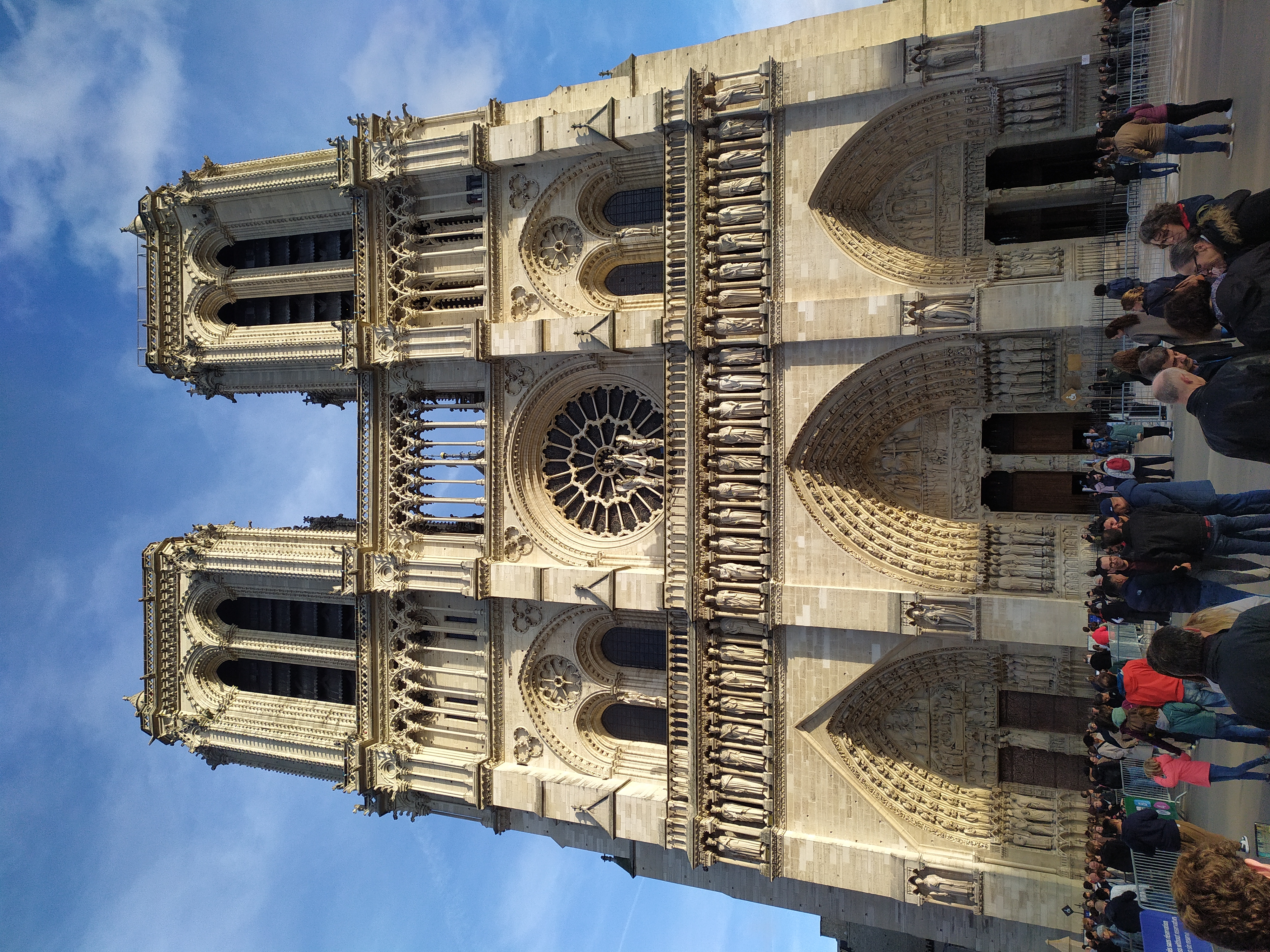
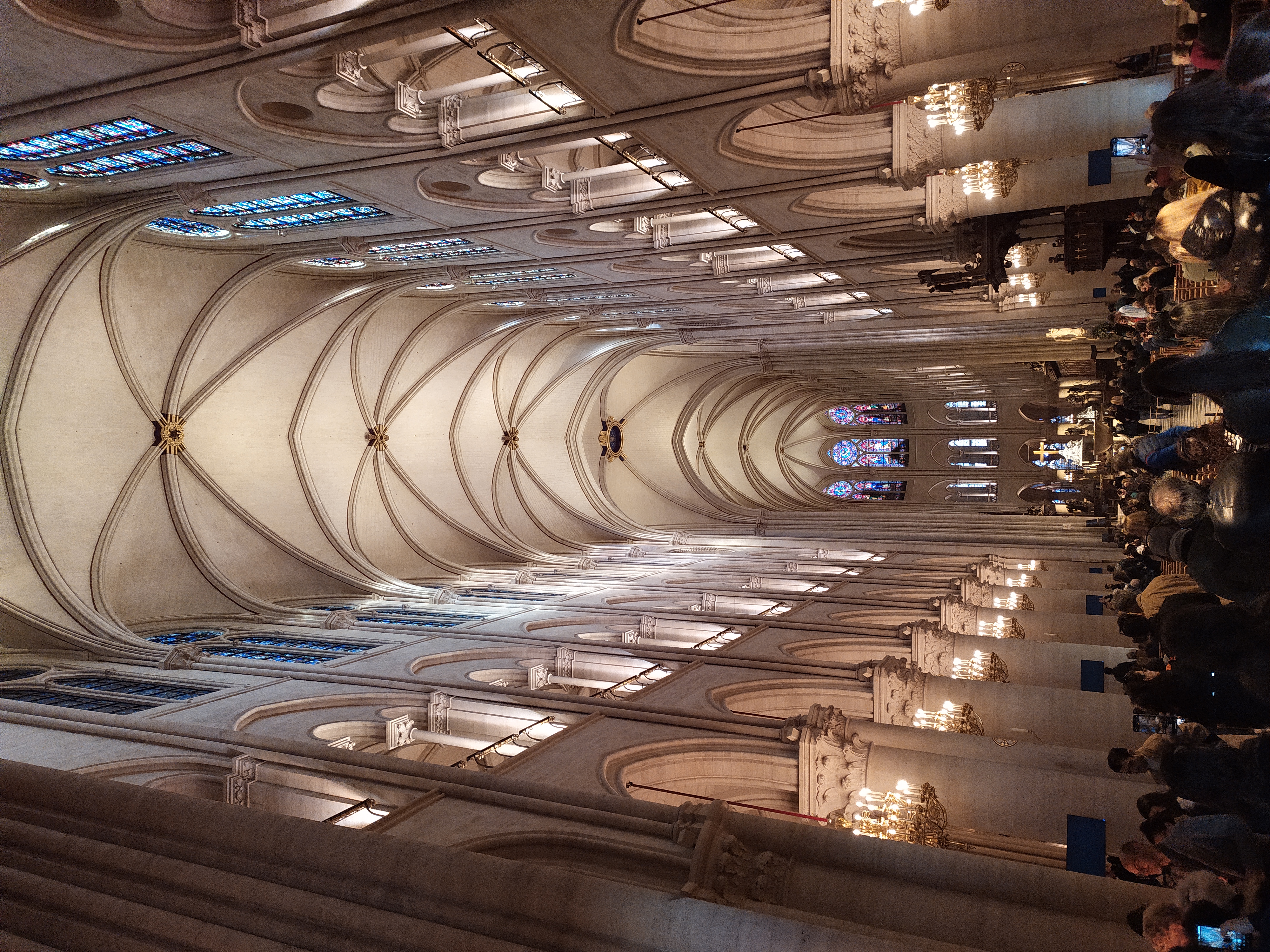
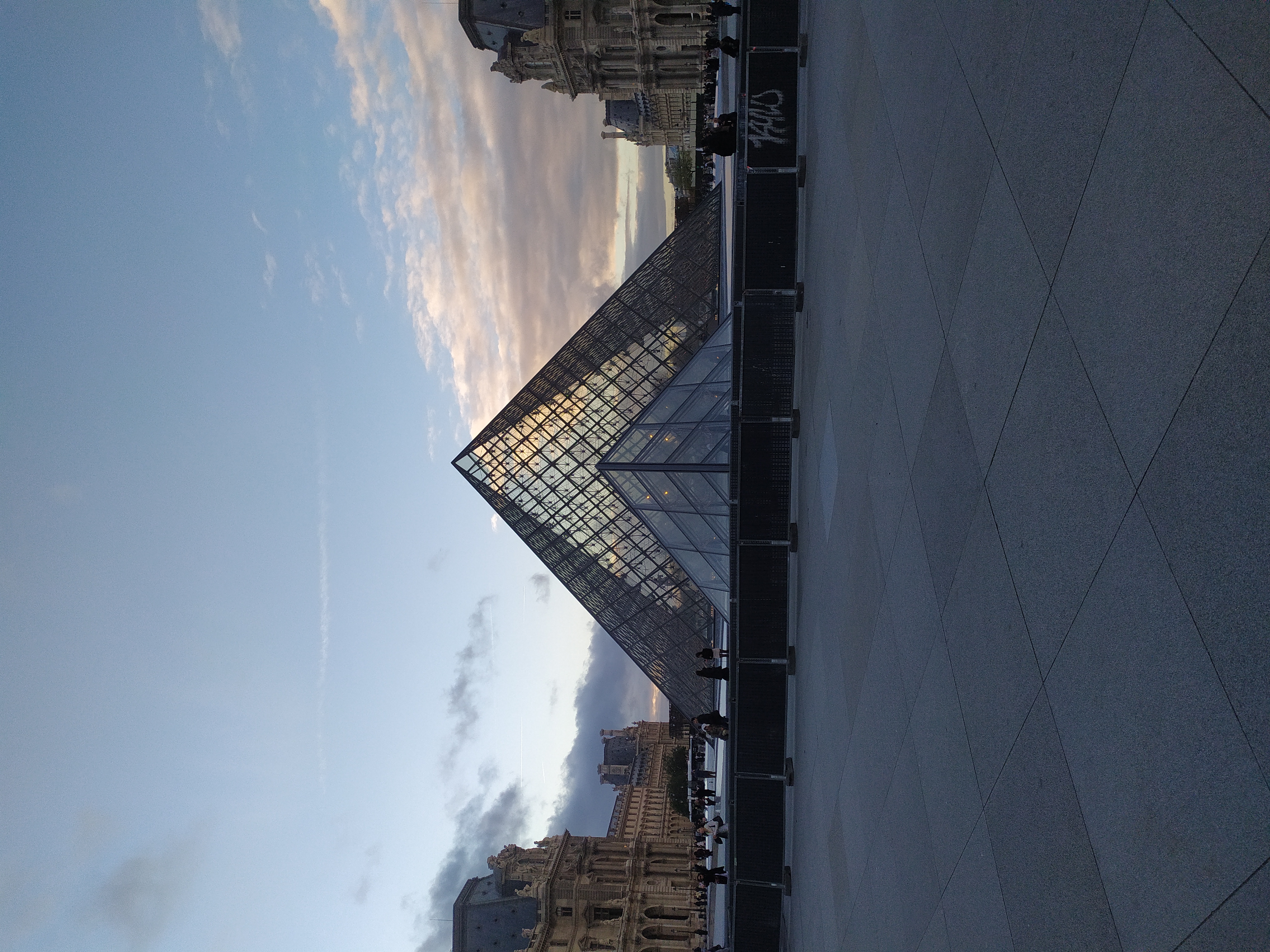
Walking through the city revealed an ongoing dialogue between centuries. The Notre Dame Cathedral, dignified even in its restrained state, conveyed endurance and continuity. In contrast, the Louvre Museum’s glass pyramid stood as a deliberate modern intervention within a historic setting. Inside the museum, the sheer scale made it clear that understanding—whether of art or science—is always partial and evolving.
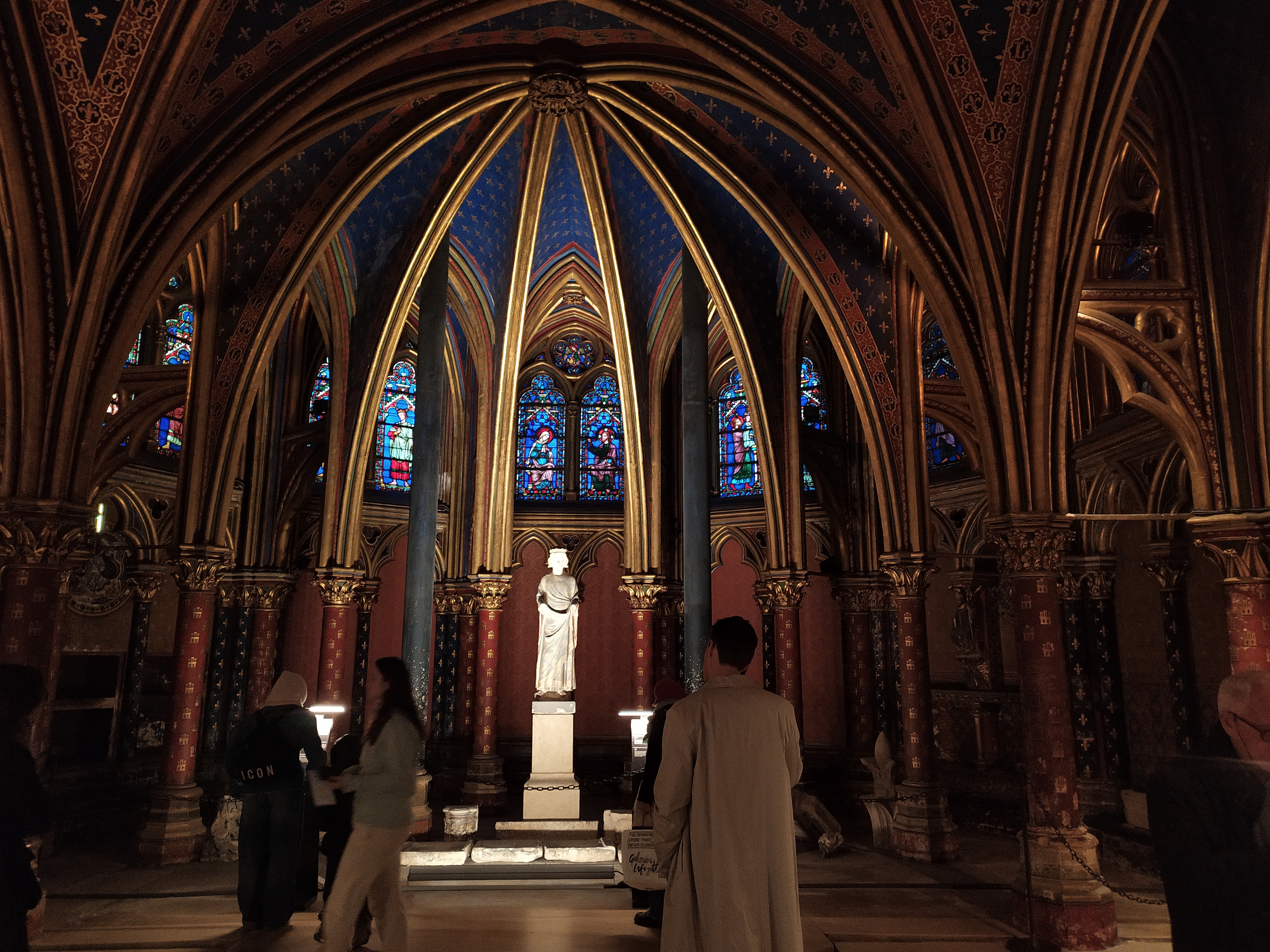
A visit to Sainte-Chapelle stood out for its intimacy. The stained glass windows transformed light into structure, creating a space that felt immersive rather than monumental. It was a reminder that impact does not always scale with size—an idea that resonated strongly with my experiences in research.
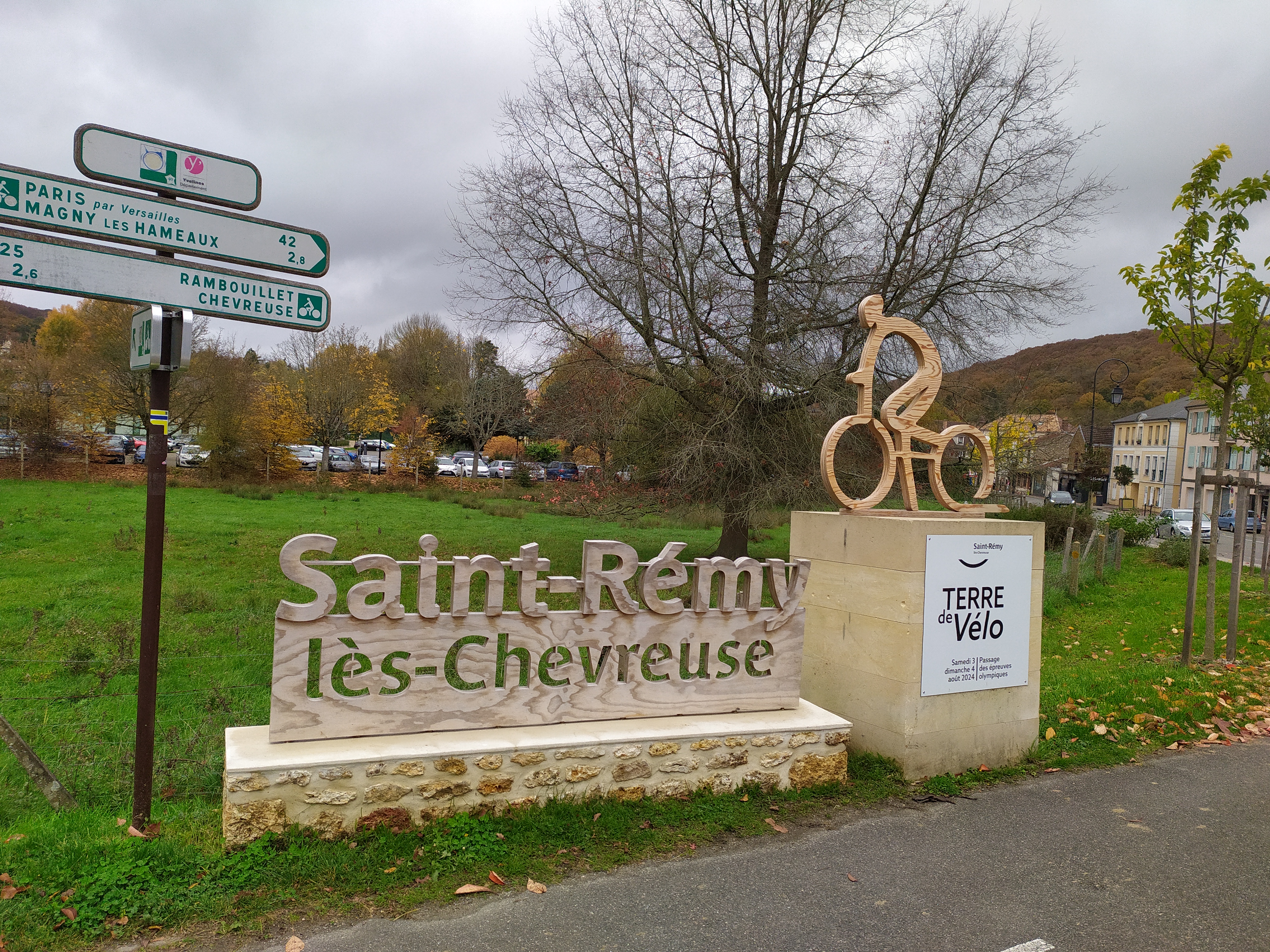
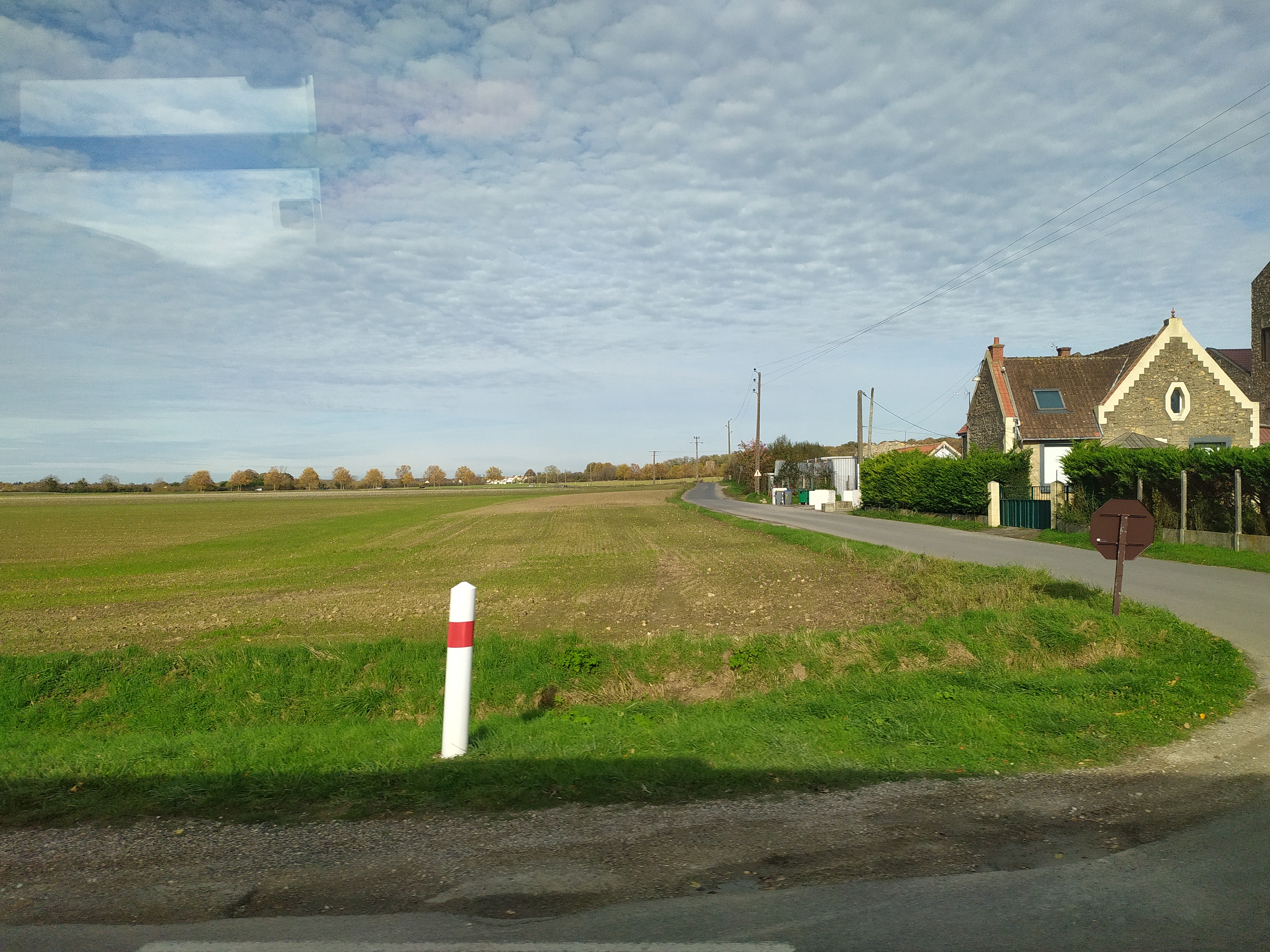
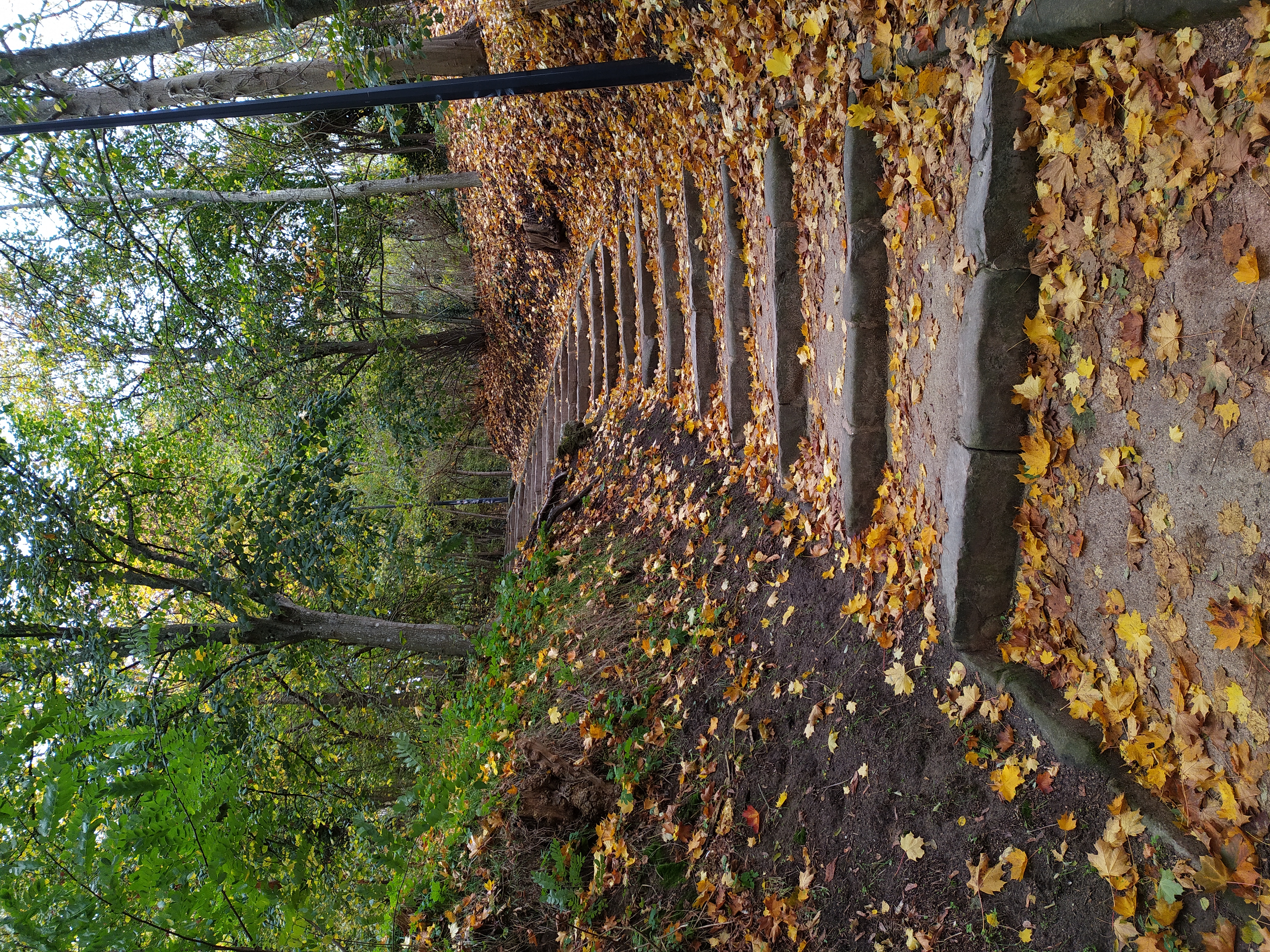
Movement through the city became part of the learning. Train stations such as Gare du Nord and Massy acted as points of convergence, where journeys briefly overlapped before diverging again. Traveling beyond Paris, the roads through Pamfou and the calm surroundings of Chevreuse revealed a quieter France—open landscapes that contrasted sharply with the density of the city and allowed space for reflection.
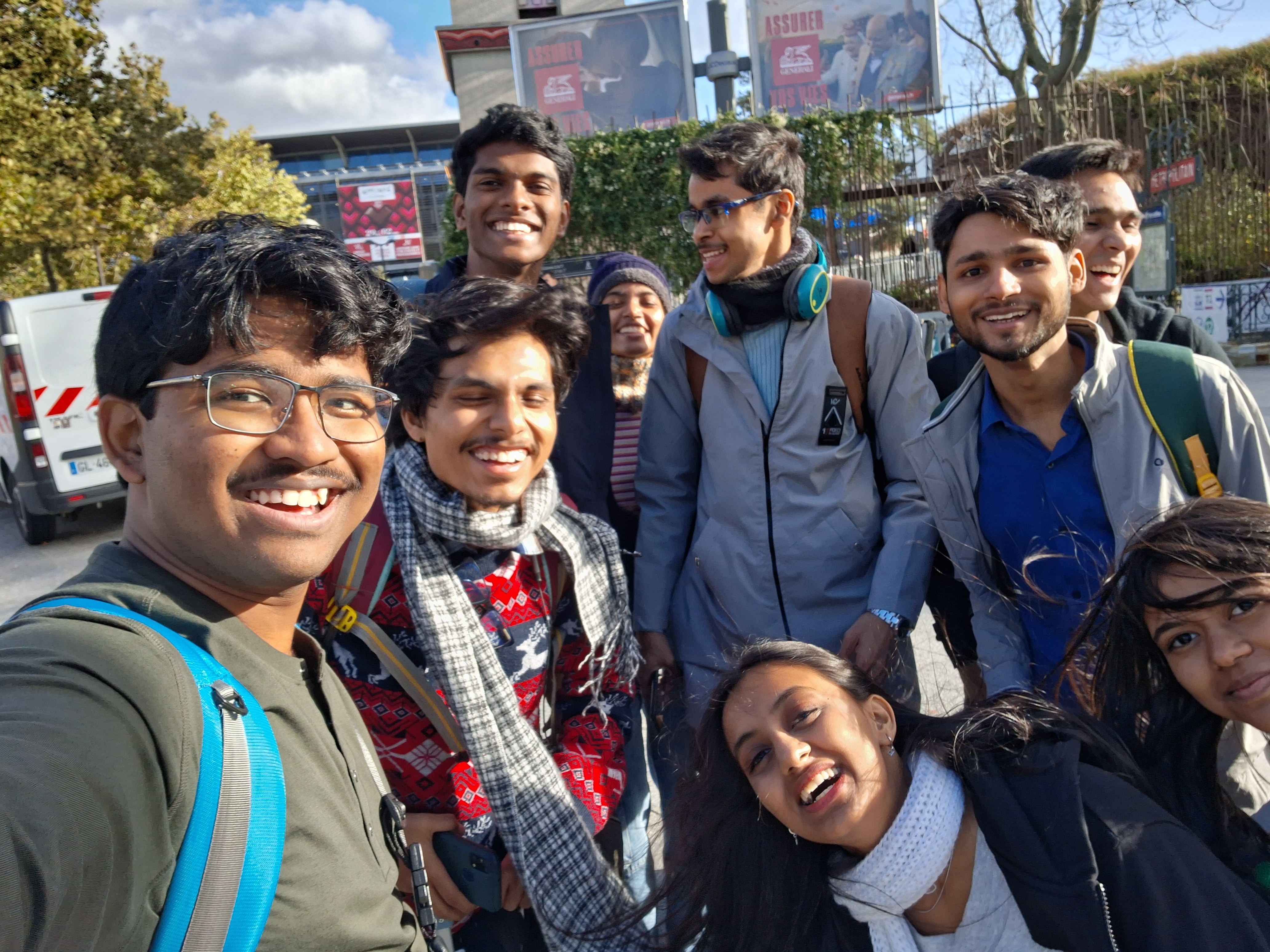
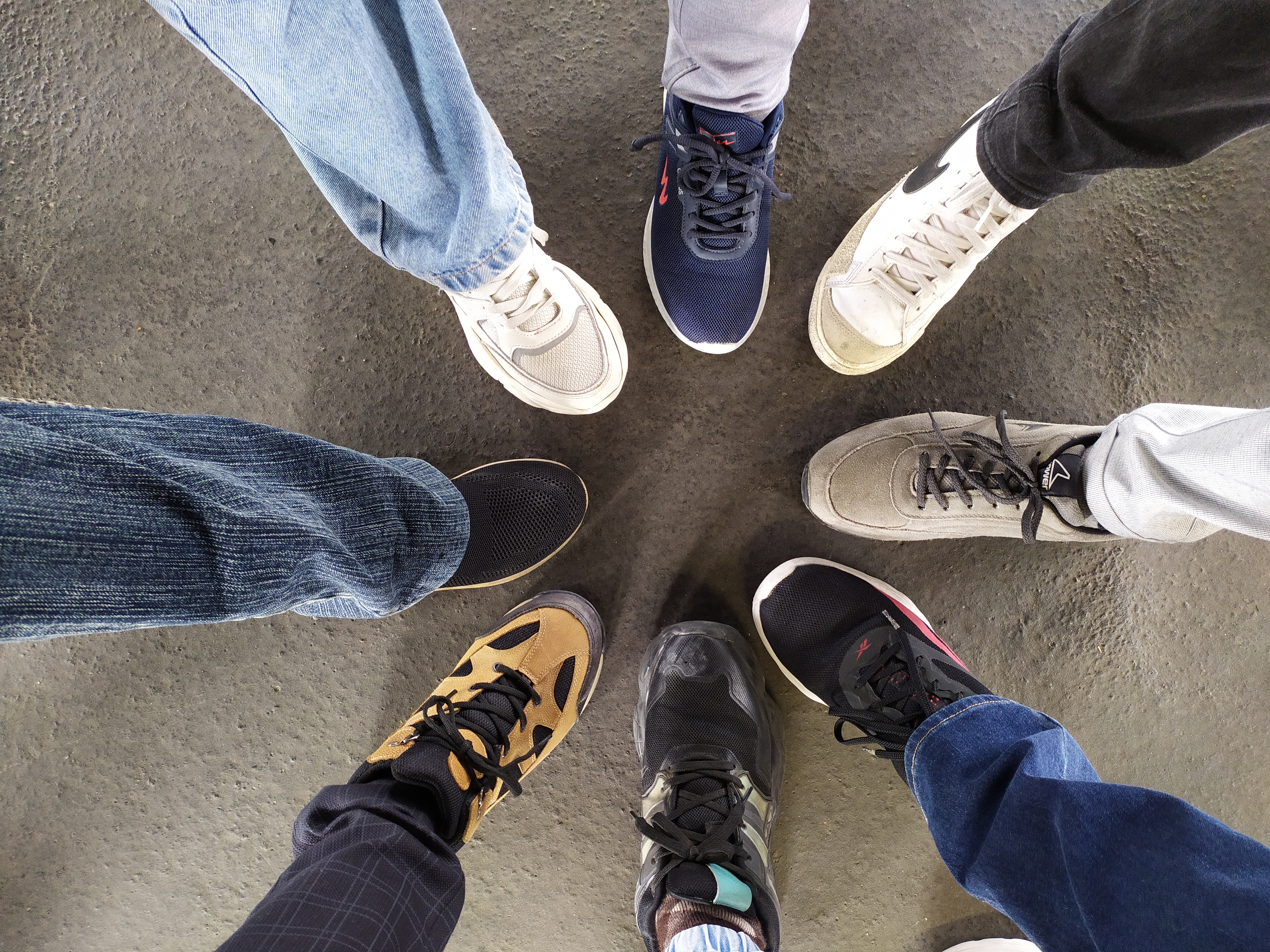
Some of the most memorable moments were unplanned. With Gautam, Satwik, and Asmi, an evening in Les Écrennes turned unexpectedly adventurous when we climbed onto the roof of an old building. The moment was fleeting and spontaneous, but it captured the essence of shared experience—those unscripted instances that often stay longer than scheduled visits.
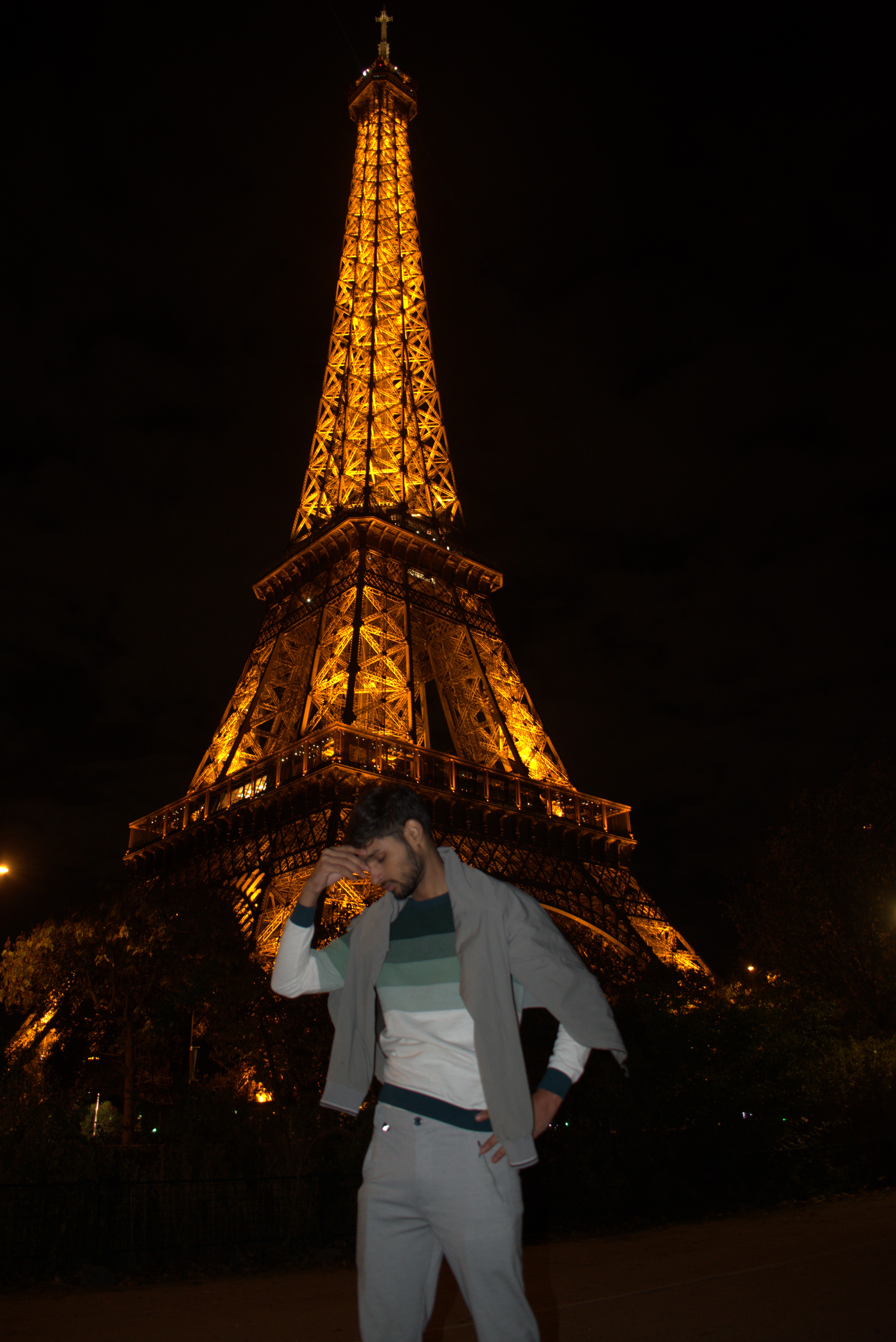
Standing beneath the Eiffel Tower, late into the trip, the landmark felt less like a destination and more like a punctuation mark. By then, Paris had already revealed itself through movement, conversation, and contrast. It had become familiar not through repetition, but through attention.
By the end of the journey, what stayed with me was not a list of places visited, but a layered sense of context. France revealed itself through architecture, landscapes, and people—but also through transitions: between research and reflection, intensity and stillness, intention and chance. The trip reinforced that meaningful experiences, much like good science, emerge not only from planning, but from openness to what unfolds in between.