Working on iGEM 2025 fundamentally changed how I approach scientific problems. Unlike short-term lab modules or coursework experiments, iGEM required living with a system over time—watching designs fail, evolve, and occasionally succeed. Each result carried implications not just for the experiment, but for the team’s direction as a whole.
As Wet Lab Lead, I learned that leadership in research is less about control and more about structure. Clear documentation, shared protocols, and honest communication mattered as much as technical skill. When constructs failed or data was ambiguous, the challenge was not to push forward blindly, but to pause, interpret carefully, and redesign with intent. Over time, this discipline reshaped my understanding of rigor—not as perfection, but as consistency and intellectual honesty.
Our emphasis on modularity and contribution to the iGEM Registry reinforced this mindset. Knowing that others might reuse our parts forced us to ask harder questions about reliability, characterization, and safety. It made our work slower, but more meaningful. Each construct became part of a broader ecosystem rather than an isolated success.
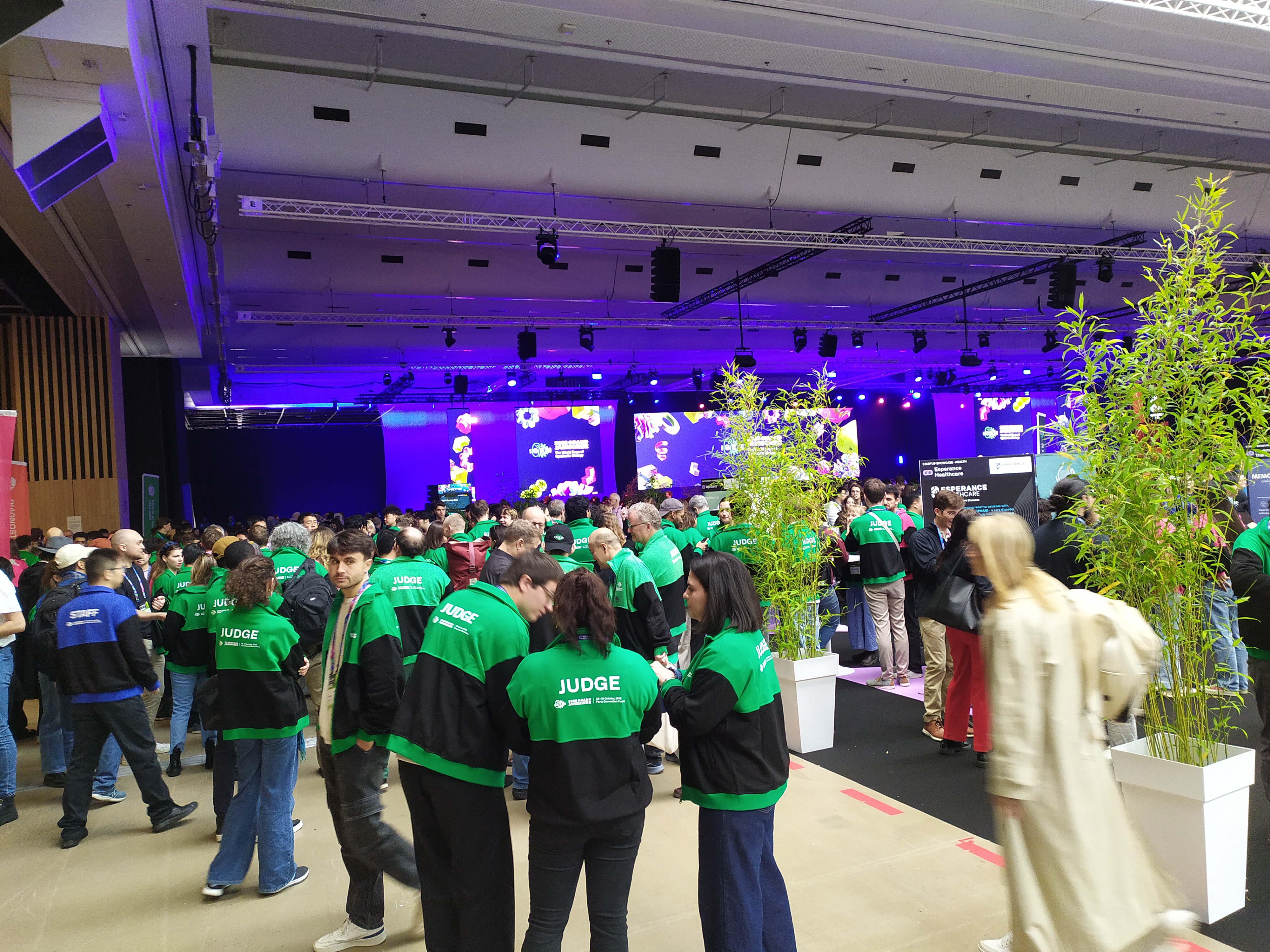
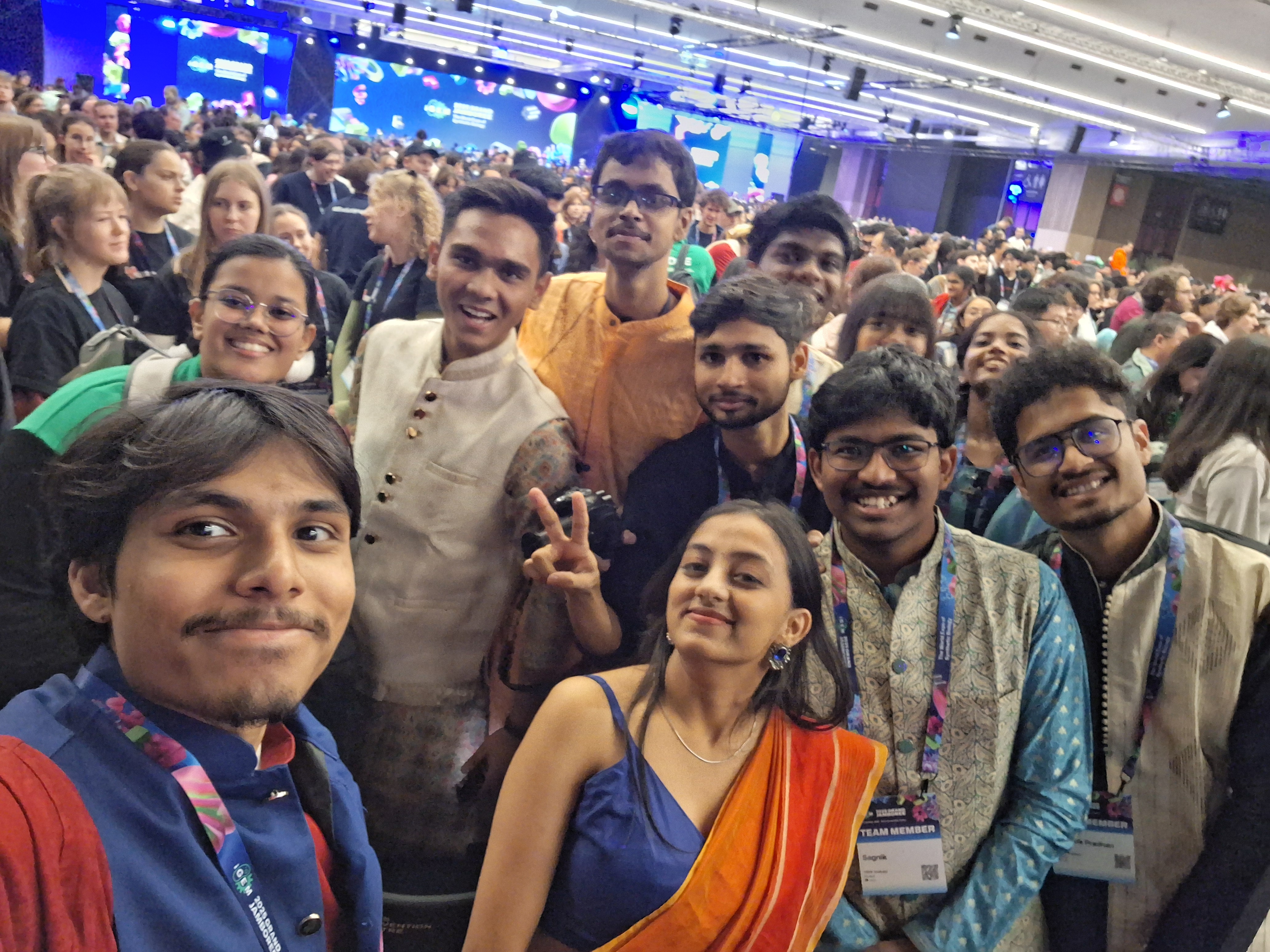
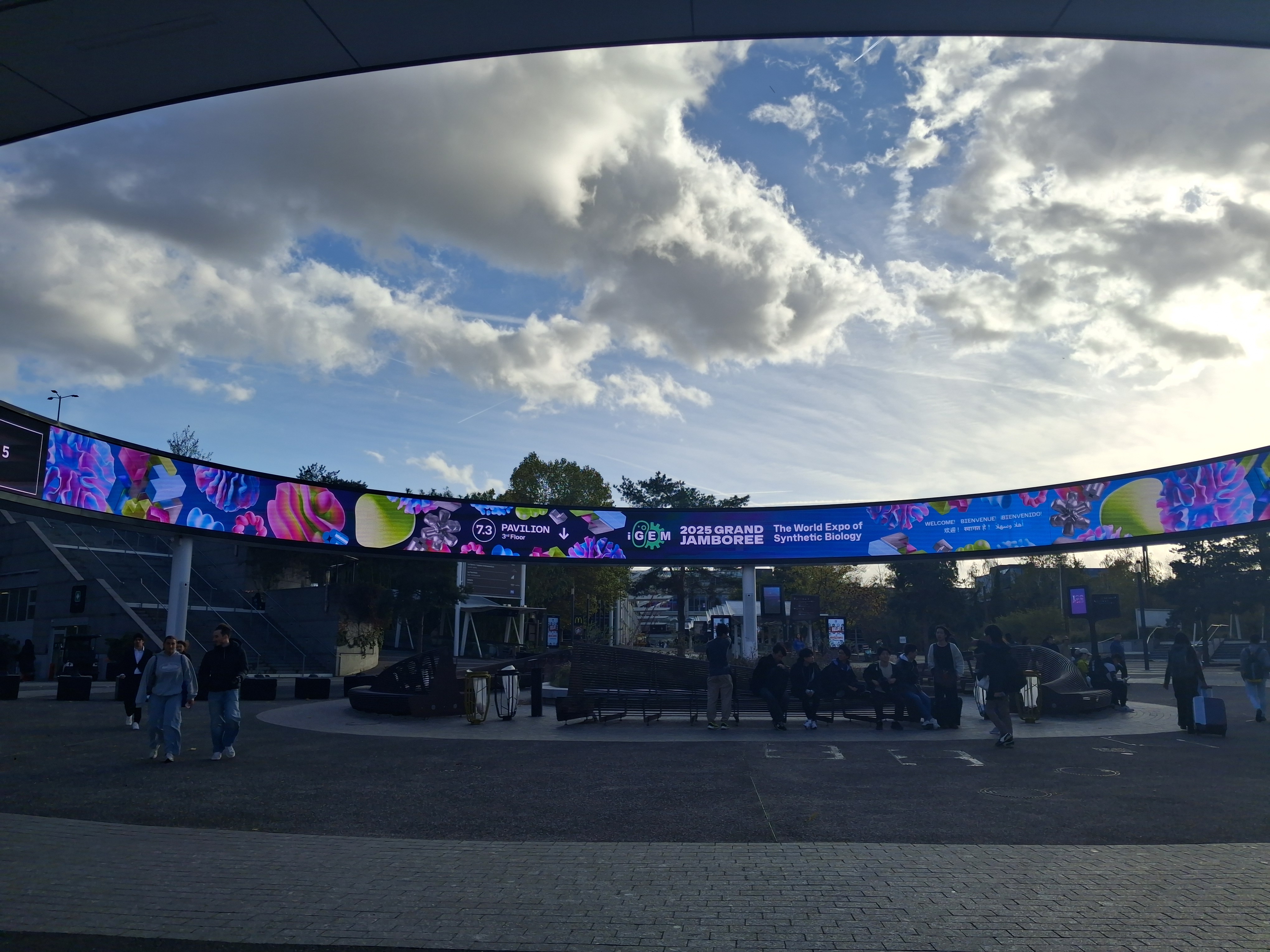
The SynBio Conference 8.0, held alongside the iGEM Grand Jamboree, expanded this perspective beyond our own project. Listening to teams and researchers from different parts of the world revealed how synthetic biology adapts to local priorities—whether environmental resilience, diagnostics, sustainability, or therapeutics. What stood out most was not the diversity of applications, but the shared concern for responsibility: how to design systems that are not only effective, but safe, ethical, and context-aware.
These conversations made me reflect on my own motivations in science. Synthetic biology is powerful precisely because it allows us to engineer life-like systems—but that power demands restraint and foresight. iGEM and SynBio Conference 8.0 taught me that good science is not defined solely by what we can build, but by how thoughtfully we choose to build it.